

The Bamboo Leader: How to Bend Without Breaking Under Pressure
August 5, 2026
The Caterpillar That Moved Toward the Poison
August 30, 2026The Bamboo Leader: How to Bend Without Breaking Under Pressure
August 5, 2026The Caterpillar That Moved Toward the Poison
August 30, 2026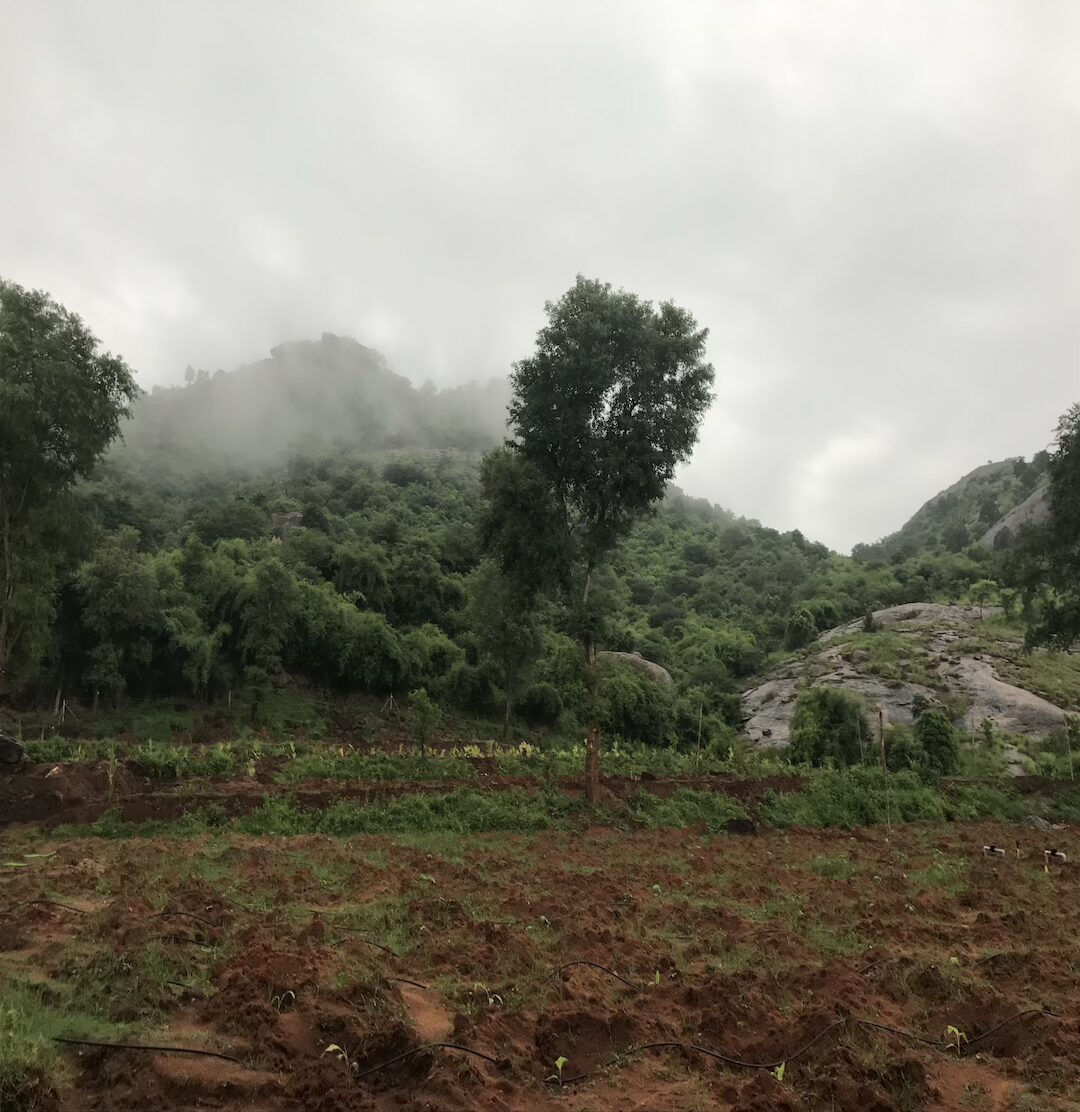
The 100-Foot Root
When we bought our farm, it came with eight Shami trees (Prosopis cineraria) — locally known as Banni mara.
The tree is revered here, worshipped during Dussehra. But the farmers around us were blunt: cut them down. The timber's too knotty to sell. The tree grows too slowly to ever pay for itself. And it keeps dropping thorny branches you have to clean up, season after season. By every metric that mattered to them, the Shami trees were more trouble than they were worth. We nearly agreed.
What stopped us was one line someone mentioned in passing — that a mature Shami tree is a sign of a deep water table. Nothing more than folk knowledge, as far as I could tell. But we let the trees stand.
That first dry spell, the difference showed. Borewells around us ran dry within weeks of the monsoon ending. Ours didn't. And after just a couple of moderate rains — barely enough to fill the nearby lake — our borewell came back to life almost instantly, while everyone else's stayed silent.
The reason as we understood later was entirely underground. The Shami tree's taproot runs past 100 feet, straight through the shallow soil every other root system depends on, down to an aquifer nothing else on the farm can reach. They had been pulling surface water down for years, quietly recharging a reserve none of us could see. These trees weren't costing us anything. Probably, they were the reason we had water at all in our borewells.
Not every root system announces itself. Some of the most useful things on this farm are the ones that look, from above, like they're not doing much of anything — until the year everything else runs dry.
I've come to distrust my own instinct for tidiness, or my usual metrics of productivity. A hedge that's bearing fruit is not the same as a root that's doing the real work three floors down. I don't always know which one I'm looking at. But I've stopped assuming the messy one is automatically the useless one.
But here's the other half of it: we have only eight Shami trees on a farm of over 2,000 plants. Not eight hundred. Eight. A farm that is all taproot and no canopy would starve just as fast as one with no taproot at all — no fruit, no shade, no fodder, nothing to actually live on day to day. Shami trees earn their place in our farm by being few and exactly where they are needed.
The trees are still standing. The water still comes back after two moderate rains, weeks before anyone else's does.
I try to correlate my learnings in the farm to corporate life. I still don't know how to spot a maverick like the Shami tree in advance. But I've started noticing and appreciating when someone in my day-to-day reminds me of one.
Does it remind you of anyone?