


A Curious Discovery: What a Wild Vine Taught Me About Risk Management
June 8, 2026
Why the Forest Doesn’t Have a Quarterly Review
July 18, 2026A Curious Discovery: What a Wild Vine Taught Me About Risk Management
June 8, 2026Why the Forest Doesn’t Have a Quarterly Review
July 18, 2026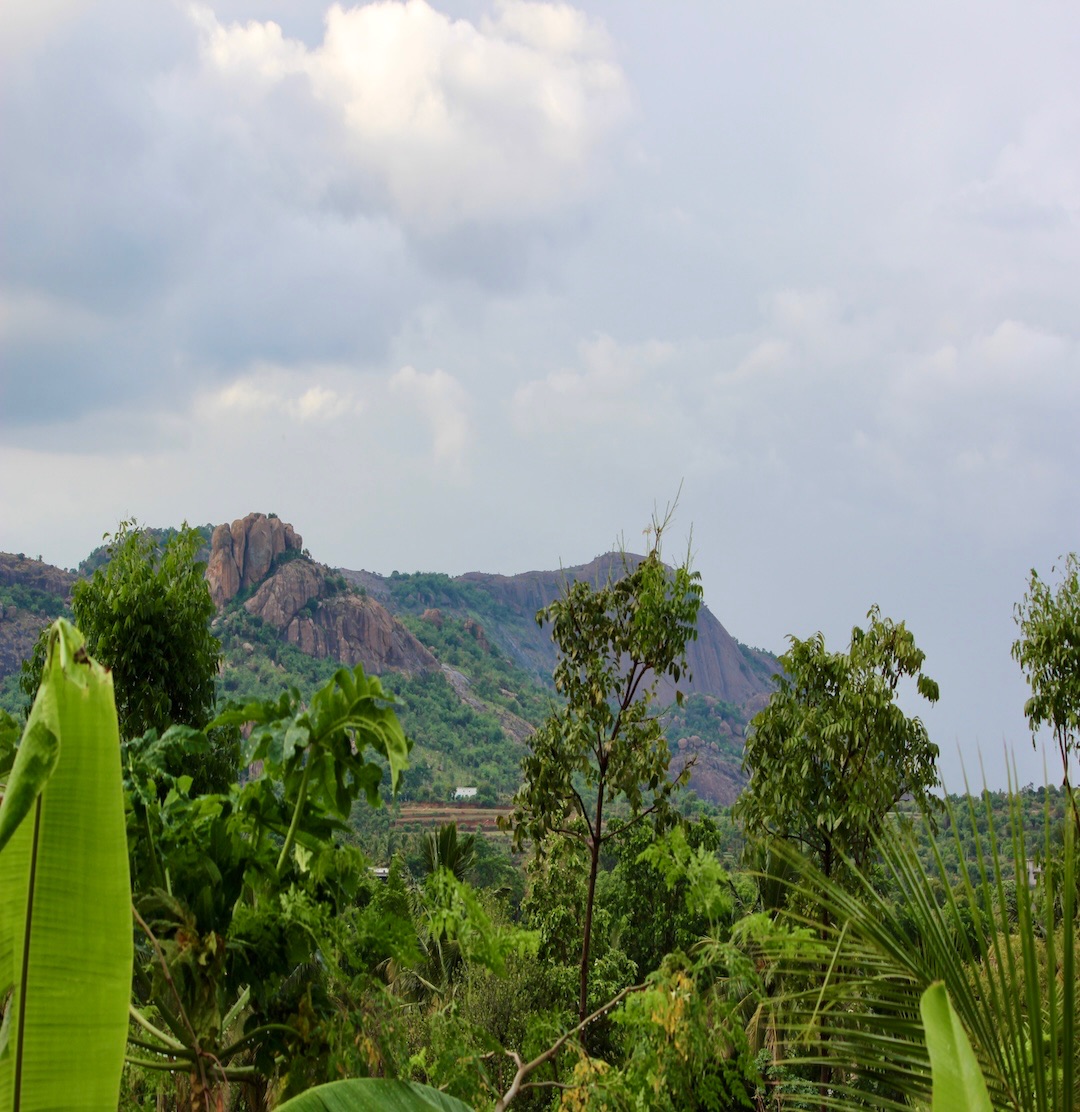
Built from Local Soil: The Tier 2 Mindset That Metro Startups Are Missing
As I stand on my farm looking at a clouded yet rainless sky, the reality of this El Niño year settles in. The rains are deficient, and the season ahead looks harsh. Yet, I am not panicking.
Years ago, we made three conscious choices. We invested in drip irrigation instead of flooding the fields. We chose deep-rooted perennials over annuals. We planted native, drought-built varieties, not fertilizer-fed hybrids that shoot up fast and collapse the moment the rain stops. Today, cautious but hopeful, my farm is engineered to survive the dry spell—and thrive when the rains return.
This same feeling connects me to two founders I know closely. Some founders like these eventually move their headquarters to a metro for market access. But what carries them through isn't the address on their office lease—it's a mindset shaped by where they started. Call it the Tier 2 mindset. Whether operating from a smaller town or carrying those roots into a metro, this mindset mirrors three truths of sustainable farming.
Scarcity as a Default Setting
Without a historical safety net of easy capital or flawless infrastructure, the Tier 2 mindset treats every rupee like it is the last. One founder I know ran the machines on his own foundry floor for years before managing through corporate layers. He knew the cost and value of every input because he operated it himself.
That instinct never leaves, even after scaling into a metro. It's the difference between drip and flood irrigation: same output, far less waste.
Cultivating Perennial Teams
Perennials aren't replanted each season—their roots strengthen over time. This mindset builds teams the same way, prioritizing depth over transactional talent.
Instead of the relentless churn of metro job-hopping, these leaders nurture loyalty that spans years, not quarters. This organizational memory and low recruitment cost carry them through the industry's leanest winters.
Staying Native to the Climate
Native plants aren't fragile; they adapt to their exact conditions. The second founder, who runs a nursery business, still travels the country personally sourcing plants from trusted growers rather than outsourcing it.
Leaders shaped this way don't get worn down by skepticism, market shifts, or delays. They've built their instincts on real-world friction. Crisis isn't catastrophic for them—it's just the weather.
The startup world often glamorizes fast, fertilizer-fueled growth. But that growth is thirsty, shallow-rooted, and first to wilt when conditions turn. The real leadership edge belongs to those built from local soil.
If we keep celebrating only founders built for a superficial growth curve, we overlook the ones wired to survive what comes after it. When the economic drought hits, it's the leaders with a Tier 2 mindset—efficient, loyal, resilient—who will still be standing, ready to bloom in the next season.