


Inefficient But Effective: What a Dragon Fruit Experiment Taught Us About Trusting Nature
June 7, 2026
The Monoculture Trap: What Small Farms Can Teach Us About Diversity
June 8, 2026Inefficient But Effective: What a Dragon Fruit Experiment Taught Us About Trusting Nature
June 7, 2026The Monoculture Trap: What Small Farms Can Teach Us About Diversity
June 8, 2026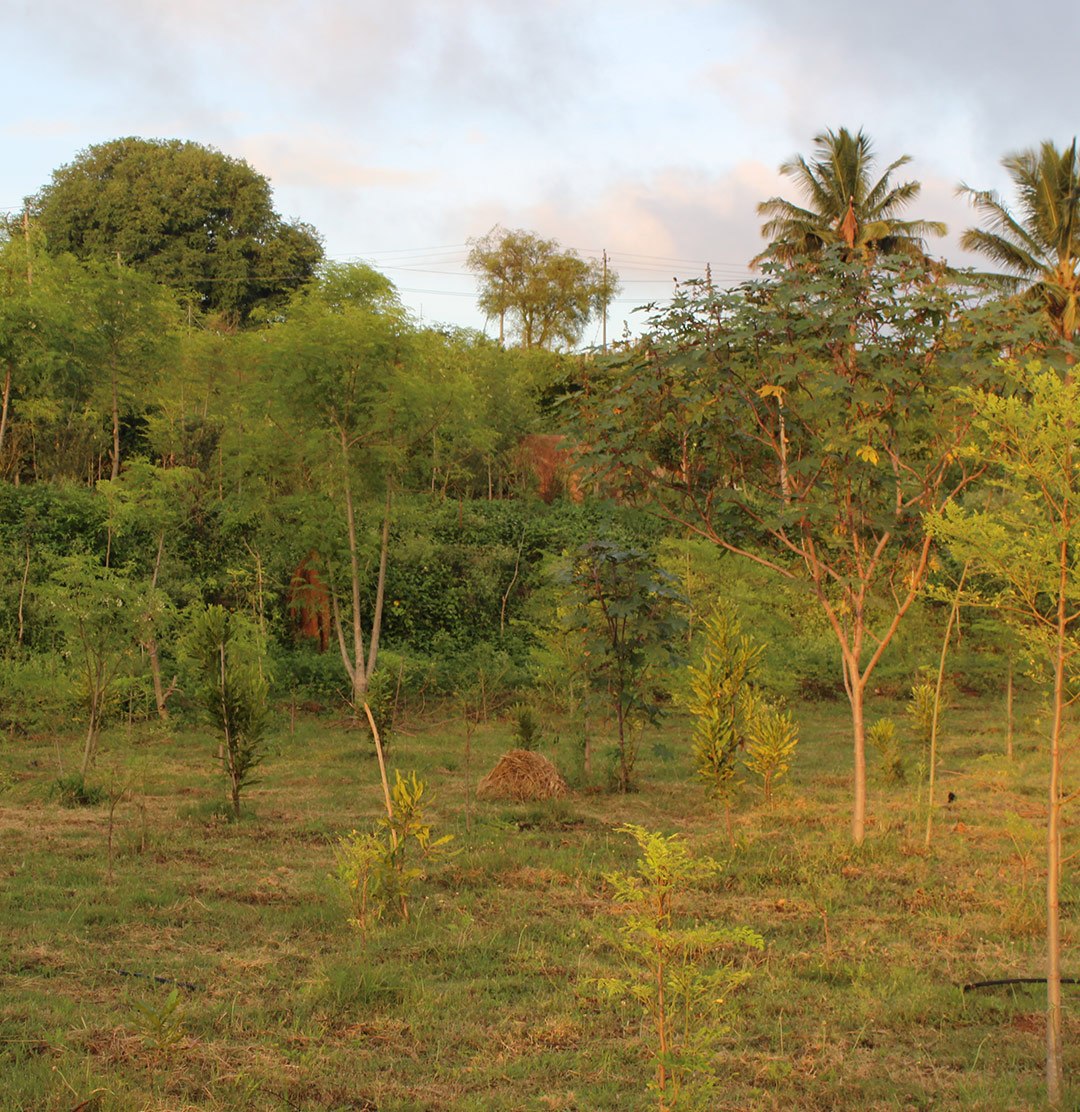
The Long Game: What Seven Years of Dirt Taught Me About Leadership
There is an old piece of agricultural wisdom that completely changed how I look at my role on our farm: A bad farmer grows weeds. A good farmer grows crops. But a great farmer grows soil.
Science says it takes upwards of seven years just to build a single inch of nutrient-rich topsoil. It is a staggering timeline when you think about it. Seven years for one tiny inch of the vital layer that sustains all life. It’s a pace that directly contradicts the modern world’s obsession with instant results.
When we took over our land seven years ago, we decided to test this patience. We committed to Masanobu Fukuoka’s principles of natural farming. Our rules were simple, if a bit counterintuitive to standard practices: no tilling, no chemical herbicides. When weeds grew, we didn't pull them out by the roots or poison them; we just cut them back and laid them right back down as mulch.
Seven years is a long time to wait for dirt to change. But lately, walking across the land, the shift is undeniable. I can see the deeper, richer colour of the earth. I can feel the change in its texture under my feet. Depending on the season, I can step back and watch earthworms and termites quietly doing the heavy lifting underneath the surface. We didn't force this change with a tractor; we just stayed consistent and let nature do its thing.
Kneeling in that dirt the other day, it struck me how much soil mimics organizational culture.
As leaders, we are so easily distracted by the immediate "crop"—the quarterly metrics, the sudden spike in output, the flashy, superficial wins. We treat symptoms rather than the system. But my time on the farm has taught me that a leader’s real job isn't to force the harvest; it’s to cultivate the soil.
Culture is the topsoil of any company or team. You cannot manufacture it overnight, and you certainly can’t rush it. If you micro-manage too aggressively—tilling the ground too hard—or rely on toxic, short-term fixes, you might get a quick burst of productivity, but you kill the ecosystem.
But if you focus heavily on the environment itself, protecting it, feeding it, and staying consistent through changing seasons, something incredible happens. The culture becomes healthy. And once the culture is right, the growth and the yields tend to take care of themselves.
We spent seven long years growing our soil. Now, it's a humbling feeling to watch the soil grow everything else.